

- /
What Happens When a Buyer Asks for Repairs After a Home Inspection in Michigan?

If you are selling a home in Michigan and the buyer requests repairs after their inspection, you generally do not have to agree to everything they are asking for. Depending on your purchase agreement, you may be able to negotiate repairs, offer a financial concession, decline the request, or consider other options. However, the buyer may also have the right to cancel the purchase if the inspection contingency permits it.
The important question is not simply whether you should say yes or no. It is whether the requested repairs are reasonable, what the buyer already knew about the property, and how your decision affects the entire transaction.
Since March 2000, I have helped buyers and sellers throughout Metro Detroit, and I have learned that successful inspection negotiations require preparation, documentation, good communication, and the ability to separate emotion from the facts.
This is how I approach those negotiations when representing a home seller.
Does a Michigan seller have to make repairs after a home inspection?
Generally, no. A buyer's inspection report does not automatically obligate the seller to repair every problem identified.
However, Michigan purchase agreements vary, and the language of the inspection contingency determines what each party can do. Some contingencies allow buyers to request repairs or concessions while preserving a right to terminate if the parties cannot agree. In other agreements, if the seller agrees to correct the items the buyer identifies, the buyer may be required to move forward. There is no single standard form used for every Michigan sale, so the signed agreement is always the starting point.
Before responding to an inspection request, I want to understand three things:
- What does our purchase agreement actually require or permit?
- What did the buyer know about the property before making the offer?
- What is the financial and practical impact of agreeing, negotiating, or refusing?
These questions help determine the right response before anyone starts discussing dollar amounts.
Why I review the seller's disclosure before discussing repairs
One of the first things I do when a buyer submits an inspection repair request is go back to the seller's disclosure statement. There is a meaningful difference between a problem the buyer already knew about and a problem discovered for the first time during the inspection.
For example, suppose a seller accurately disclosed that the furnace was approximately 25 years old. The buyer reviewed that disclosure, toured the property, and submitted an offer. After the inspection, the buyer requests an entirely new furnace because the existing furnace is old.
My response would be to revisit the disclosure and the condition of the furnace. Was its age already disclosed? Was the furnace operating? Did the inspection identify an actual defect or safety concern, or did the inspector simply recommend budgeting for replacement because of its age?
An older but properly functioning furnace is very different from one with a cracked heat exchanger or another potentially dangerous condition.
Just because a component is old does not automatically mean the seller should pay to replace it. That does not prevent a buyer from requesting a concession. But if the age and condition were accurately disclosed and reasonably reflected in the original negotiations, the seller may have a strong argument against paying for a replacement.
Why completing the seller's disclosure carefully matters
Michigan's Seller Disclosure Act generally requires covered residential sellers to provide a disclosure statement identifying known property conditions. The form instructs sellers to answer every question, disclose known conditions, and indicate when information is genuinely unknown or unavailable. The statement is based on the seller's knowledge and is not a warranty or a replacement for a professional inspection.
When working with my sellers, I pay close attention to incomplete answers, the reported age of major mechanical systems, previous water problems, known defects, and other relevant conditions.
If a seller does not know the age of an item, I do not want them guessing. We can review available documentation, and when the information genuinely is not known, it should be identified accordingly.
A carefully completed disclosure protects the integrity of the transaction. It also gives us a valuable point of reference if repair requests arise later.
There is another distinction worth understanding: Disclosure is not the same as immunity from negotiation or liability. An accurate disclosure can establish what a buyer knew, but it does not override contract rights, excuse misrepresentation, or resolve every later dispute.
Why I document conversations before the buyer even makes an offer
Another part of inspection negotiations begins much earlier, during the original offer.
I keep records of important conversations, emails, and text messages with the buyer's agent, particularly discussions about property condition and why the buyer is offering a particular price.
Consider a hypothetical example: a buyer offers $10,000 below the asking price and explains that the discount is partly because the roof is nearing the end of its expected useful life. The seller accepts that lower price. Following the inspection, the buyer requests another $10,000 for the same aging roof, without evidence of a newly discovered problem.
In that situation, I would revisit the original negotiations. Was the roof's age already accounted for in the accepted price? Did the inspection reveal anything materially different? Is the buyer asking for a concession based on the same condition twice?
This does not mean the buyer is prohibited from making the request. It means we have a documented basis for evaluating and potentially challenging it. The accepted purchase price, property condition, disclosures, and earlier discussions should all be considered together.
Which home inspection problems deserve serious consideration?
In my experience, the most significant inspection findings often involve structural concerns, safety issues, environmental conditions, or problems that would have been difficult to identify during an ordinary showing.
- Foundation and structural concerns: significant movement, unusual cracking, settling, or evidence suggesting structural failure.
- Water intrusion: active basement leaks, moisture entering through foundation walls, or ongoing roof leaks.
- Environmental concerns: suspected mold, elevated radon levels, or potentially hazardous materials requiring professional evaluation.
- Pest damage or infestation: particularly when insects or other pests may have caused concealed structural damage.
- Sewer line problems: cracked, obstructed, deteriorating, or damaged underground sewer lines.
- Mechanical or electrical safety issues: defects that present actual hazards rather than simply reflecting an older system.
One inspection I especially encourage buyers to consider is a sewer scope. A typical home inspection may not reveal the condition of the underground sewer line between the house and its connection to the sewer system. A sewer camera inspection can sometimes uncover problems that would be difficult to identify otherwise and expensive to repair.
Not every item on this list means the seller must pay for a correction. However, these findings usually deserve more attention than cosmetic imperfections or ordinary maintenance.
For radon, the U.S. Environmental Protection Agency recommends taking action when indoor levels are 4 pCi/L or higher, and Michigan's Department of Environment, Great Lakes, and Energy estimates that about one in four Michigan homes exceeds that level. Its guide to radon in real estate transactions is a helpful starting point. A qualified professional should evaluate appropriate testing and mitigation. Likewise, suspected mold, asbestos, and structural conditions should be evaluated by qualified specialists rather than judged solely from photographs or general observations.
Which inspection requests should sellers consider pushing back on?
I generally look more critically at requests involving cosmetic conditions, ordinary wear and tear, aging but functioning equipment, and items clearly identified before the buyer made an offer.
- A furnace that is older but operates properly versus a furnace with a confirmed safety defect.
- Worn carpeting visible during showings versus previously concealed water damage beneath the flooring.
- An aging roof that was disclosed versus an aging roof with newly discovered active leaks.
- Minor cosmetic cracking versus a foundation crack indicating a potentially significant structural problem.
Buyers purchase existing homes in their actual condition, not as newly constructed properties. At the same time, sellers need to understand that a problem does not become insignificant simply because it was disclosed. A serious defect may still create financing, insurance, safety, or resale concerns.
My goal is to distinguish a reasonable request from one that may go beyond what the circumstances justify.
Is it better to make repairs or offer a credit after inspection?
When appropriate, I generally prefer negotiating a seller credit or purchase price reduction rather than having the seller complete repairs before closing.
Repairs completed by the seller may be subject to additional buyer inspections or contractual requirements. A seller may also be working against a tight closing schedule, and a buyer may prefer choosing their own contractor. A clearly negotiated financial adjustment can sometimes create a simpler outcome for everyone.
Comparing the options
| Option | Potential benefit | Important consideration |
|---|---|---|
| Seller completes repairs | Issue may be resolved before closing | Contractor delays, workmanship disputes, possible reinspection |
| Seller closing-cost credit | Reduces the cash the buyer needs at closing | Subject to lender rules and generally limited to the buyer's allowable closing costs |
| Purchase price reduction | Directly lowers purchase price | Does not necessarily provide immediate repair funds |
| No concession | Preserves original financial terms | Buyer may have contractual options to terminate |
A closing-cost credit and a purchase price reduction are not interchangeable. The buyer's lender must approve applicable concessions, and the amount or use of a credit may be limited. The Consumer Financial Protection Bureau's Closing Disclosure explainer shows where credits appear on the buyer's final loan documents.
If we negotiate a credit, I want the terms documented clearly, including who is responsible for the work after closing. The arrangement must comply with applicable contractual, lending, insurance, and legal requirements.
A real South Lyon inspection negotiation involving a roof replacement
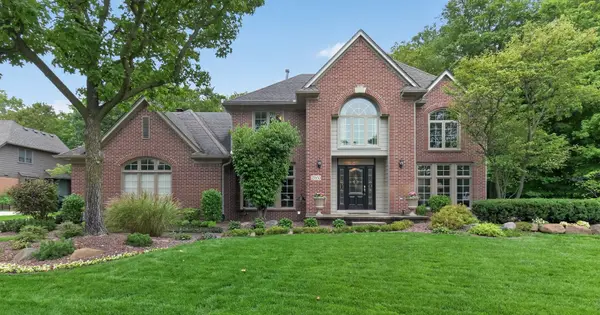
A home sale on Princeton Drive in South Lyon illustrates how this approach works. The sellers were relocating, and the home had its original roof, approximately 17 years old.
Before listing, we discussed the roof's age and whether replacing it was necessary. Rather than automatically investing in a new roof, we chose to disclose its age and market the property based on its existing condition.
After the buyer's inspection, the roof became a negotiating issue. The buyers obtained an estimate of approximately $15,000 for replacement. Based on my experience with a comparable roof replacement in the area, I believed the actual cost could be closer to $20,000.
More importantly, the inspection identified staining and evidence of small leaks in the attic. That changed my evaluation. We were not simply discussing an older roof anymore. There was evidence of an actual problem that needed attention.
The buyer requested a $6,000 concession.
- Roof replacement estimate obtained by buyer: approximately $15,000
- My comparison with a similar local replacement: approximately $20,000
- Buyer's requested concession: $6,000
- Seller's agreed concession: $6,000
- Outcome: The parties reached an agreement and the sale moved forward.
The sellers agreed to the $6,000 concession, which was less than half the estimate the buyer obtained. Would I always agree to this request? No. But this particular negotiation involved more than an older roof. We had evidence of leakage, a buyer willing to proceed with a partial concession, and an agreement that made sense for the sellers.
The lesson is that inspection negotiations should be evaluated based on the actual findings, the accepted offer, the cost of the work, and the overall transaction. A full replacement is not always the only reasonable solution.
When should a seller refuse an inspection repair request?
There are situations where I recommend standing firm. For example, suppose the buyer requests a substantial credit for an issue that was fully disclosed, considered during price negotiations, and not materially different from what everyone already knew. I may recommend declining the request or making a much smaller counteroffer.
But before advising a seller to risk losing the transaction, I ask an important question: If we put the home back on the market, what is the likelihood that the next buyer's inspection will uncover the same problem?
If that is highly likely, rejecting a reasonable request might simply postpone the issue. It could also mean additional carrying costs, more showings, another inspection, and a new round of negotiations.
There is also a disclosure consideration. Under Michigan's Seller Disclosure Act, the information a seller provides is based on the best information available and known to the seller. If a buyer’s inspection brings a previously unknown issue to your attention, do not assume the earlier disclosure remains sufficient for a future buyer. Review the new information, the circumstances, and applicable disclosure obligations. A Michigan real estate attorney can advise you about what must be disclosed or updated.
On the other hand, if the current buyer's request seems excessive and the home attracted multiple strong offers, the seller may have more leverage. Even then, a backup offer is not a guarantee. Its availability, terms, and contractual status need to be evaluated carefully.
I also review the other terms of the current agreement, including purchase price, financing, appraisal conditions, closing date, occupancy, and any other concessions. Sometimes the best overall offer is worth preserving even when a modest inspection concession is necessary.
Why sellers should not take inspection requests personally
One of the biggest challenges in inspection negotiations is not the repair itself. It is the emotional response.
You have lived in the home, maintained it, and made memories there. Then someone sends you a report that may identify dozens of imperfections or concerns. It can feel like criticism.
But I encourage sellers to remember that the buyer is looking at the property differently. They are preparing to make a major financial commitment. They are understandably concerned about inheriting expensive or unexpected problems.
And sometimes, when we have lived in a property for many years, we become accustomed to things we do not notice until someone examines the house with fresh eyes. That does not mean the seller has done anything wrong.
An inspection report is not a personal judgment about how you have cared for your home. It is information that can help the parties make an informed decision.
What happens if the buyer and seller cannot agree?
The next step depends on the inspection contingency and other applicable terms of the signed purchase agreement. Depending on that language, the buyer may be able to proceed without additional concessions, continue negotiating within the permitted period, or terminate the agreement.
Sellers should not assume that refusing a repair request automatically cancels the contract or that a buyer can cancel at any time without consequences.
Before making a final decision, I also like to speak directly with the other agent. When negotiations become tense, text messages and emails can easily create misunderstandings. Picking up the phone often helps me understand whether the buyer is genuinely concerned about a particular issue, whether a proposed credit would resolve it, and how close the parties may be to reaching an agreement.
Each agent represents their own client. A phone call does not replace the written agreement or the client's instructions. But communication can help prevent a workable transaction from falling apart unnecessarily.
The two options I want every seller to understand
Option A: Reach an agreement with the existing buyer. We evaluate the negotiated concession, estimated net proceeds, closing timeline, and remaining contract terms.
Option B: Decline the request and accept the contractual consequences. We evaluate what happens if the buyer terminates, the likely reaction of future buyers, additional costs, possible delays, and whether the same defect will become an issue again.
Neither option is automatically right. When sellers can see the financial and practical consequences of both, they are better positioned to make a decision based on facts rather than frustration.
My approach to protecting sellers during inspection negotiations
Throughout my career, I have learned that a successful negotiation is not always about saying no or getting the other party to surrender. It is about knowing when to stand firm, when to compromise, and how to protect the seller's interests without creating unnecessary risk.
That begins long before the inspection. It starts with accurate disclosures, thoughtful pricing, clear documentation of negotiations, and understanding the property we are selling. Then, if concerns arise, we evaluate them carefully, obtain professional opinions when needed, and consider the entire agreement.
My goal is to help my seller make a confident, informed decision and, when possible, create a resolution that works for both parties. If you are still preparing to list, my guide to selling as-is versus making repairs and my article on which repairs actually matter before selling can help you address condition questions before a buyer raises them.
Frequently asked questions about Michigan home inspection negotiations
Can a buyer ask for a new roof if the seller disclosed that the roof was old?
Yes. A buyer can make the request, but that does not automatically mean the seller must agree. The disclosure, inspection findings, original negotiations, and purchase agreement all matter. Evidence of active leakage may warrant a different response than age alone.
Can a seller offer money instead of making repairs?
Often, yes, if both parties agree and the arrangement complies with the lender's requirements and purchase agreement. Options may include permitted closing-cost credits or purchase price adjustments. The best structure depends on financing and the nature of the repair.
Can a buyer back out after a home inspection in Michigan?
Potentially. The buyer's ability to terminate depends on the specific inspection contingency, applicable deadlines, notices, and other contract provisions. There is no universal rule covering every Michigan purchase agreement.
Should sellers get their own contractor estimates?
For significant or disputed repairs, I often recommend obtaining an independent estimate or professional evaluation. A major roof replacement, foundation concern, or expensive mechanical repair may warrant additional information before agreeing to a substantial concession.
Does selling a home as-is prevent inspection negotiations?
Not necessarily. An as-is sale does not automatically eliminate the buyer's contractual inspection rights or a seller's applicable disclosure obligations. The purchase agreement determines what the parties agreed to.
Selling a home in Metro Detroit? Start with a clear plan.
Whether you are preparing to sell or already thinking about how buyers might respond to your home's condition, having a strategy before an issue arises can make the process much easier.
I help homeowners throughout Northville, Novi, South Lyon, Green Oak Township, Brighton, Plymouth, and surrounding Metro Detroit communities evaluate property condition, pricing, disclosures, and potential negotiation risks.
If you are considering selling, we can start with a walkthrough and a practical discussion about your home, what may deserve attention, and how to approach the sale with confidence, whether you sell now, later, or not at all.
Jeff Duneske
Associate Broker | Keller Williams Advantage
Jeff Duneske Real Estate
Licensed since 2000
Request a home value review, see what to expect when selling with me, or contact me to discuss your home.
No pressure. Just clarity.
This article provides general information about Michigan real estate transactions and negotiation practices. It is not legal, engineering, environmental, or lending advice. Contract rights and obligations depend on the signed documents and individual circumstances. Consult the appropriate qualified professional when needed.
Categories
- All Blogs (196)
- Best Agent For… Blog Series - Northville, Novi, South Lyon & Metro Detroit (41)
- Brighton Real Estate Market Updates (3)
- Buyers (23)
- Community & Local Events (2)
- Divorce Real Estate (11)
- Estate Planning & Strategy (7)
- Golf Course & Luxury Living (6)
- Green Oak Real Estate Market Updates (2)
- Homeowners (Maintenance & Equity) (2)
- Investors (1)
- Market Conditions (13)
- Metro Detroit Real Estate Updates (35)
- Mortgage & Financing (2)
- New Construction (3)
- Northville Real Estate Market Updates (14)
- Novi Real Estate Market Updates (17)
- Pricing & Home Values (7)
- Relocation & Moving (7)
- Rightsizing & Senior Moves (10)
- Seller Success Stories (15)
- Sellers (68)
- South Lyon Real Estate Market Updates (18)
- Tips, Guides & How-To (14)
Recent Posts








GET MORE INFORMATION