

- /
How I Price a Home to Sell

“How do you decide what to list my home for?”
This is one of the most common questions sellers ask me. The answer is not found in one comparable sale or an online estimate. I look at how buyers are searching, what they can purchase at competing price points, how quickly similar homes are selling, and where the market appears to be moving.
The List Price Is the Invitation, Not the Outcome
I tell every seller the same thing. The list price is not the sale price. It is the invitation to the market.
A strong list price does not guarantee a specific result, but it has a significant influence on how quickly a home sells and what kind of offers it attracts. Price a home wrong, even by a small amount, and it can sit while similar homes sell around it. Price it well, and it can generate real competition.
Why I Price Around Search Thresholds
Most buyers do not browse every available home. They search within a defined maximum price. Common search limits might fall around $450,000, $500,000, $750,000, or $1 million, depending on the price segment. A home listed only slightly above one of those limits may never appear in the results of a buyer who would otherwise be a strong fit for the property.
Because of this, I often recommend positioning a home right at or just under one of these natural search points. It is not about hiding value. It is about making sure the home actually reaches the buyers who are looking for it.
Reading the Full Market, Not Just What Sold
Sold data tells you what already happened. It does not tell you what is happening right now. That is why I look at three things together before recommending a price.
Homes that have sold in the same range give a baseline. Homes that are currently active show what a buyer is comparing your home against today. Homes that are pending, meaning under contract but not yet closed, often reveal where the market is actually moving before that shift shows up in the sold data.
I also pay close attention to days on market for homes in the same price range. When homes in a certain price point are selling quickly, that tells me buyer demand is strong there. When homes are sitting, that tells me the market is more cautious in that range, and pricing needs to reflect that.
What Else Shapes the Price
Price is never just a square footage comparison. Condition, updates, lot placement, school district, floor plan, finished living space, and location within the neighborhood all affect what a buyer is willing to pay.
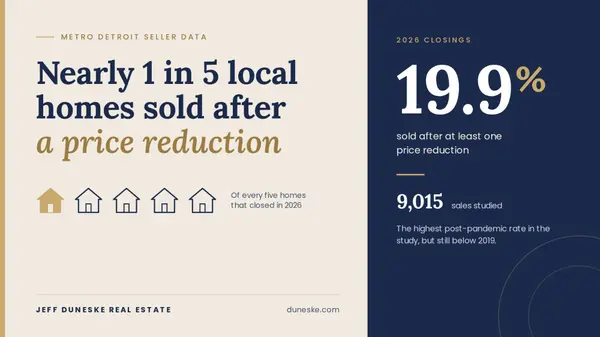
Competing inventory matters too, including homes that have already had a price reduction or expired without selling. Two homes with similar square footage can perform very differently once these details are weighed against each other.
When Strategic Pricing Creates More Competition
There are situations where positioning a home slightly below its closest competition is the right strategy. That does not mean the home is worth less. It means choosing a price within the supported market range that encourages more qualified buyers to take notice.
I have seen this work well for sellers. A home positioned with intention, based on real days-on-market data and buyer search behavior, can generate strong early interest. That interest sometimes leads to multiple offers, pricing that climbs back above the original asking price, and stronger terms for the seller, including fewer contingencies.
This approach only works when it is based on data. Positioning a home below the market without understanding the comparable homes around it is a gamble. Doing it with a clear strategy is a deliberate way to create competition.
When a Different Approach Makes More Sense
Not every home benefits from this strategy, and not every seller should price aggressively. Some homes are unique enough, or in a price range with limited inventory, where pricing closer to or slightly above recent comparable sales is the smarter move.
In some cases, the right decision is simply to wait for a better window rather than list at all.
Part of my job is telling a seller honestly which situation they are in, even when that means recommending patience.
Bringing It Together
Pricing a home is not guesswork, and it is not just a square footage comparison. It is about understanding how buyers search, what is actively competing with your home right now, and how quickly similar homes are moving.
When those pieces come together, a home is positioned to attract serious attention and strong offers rather than sitting and losing momentum.
If you are considering a move, I can help you understand the likely market range for your home and the pricing strategy that would make the most sense for your situation, whether you sell now, later, or not at all.
Frequently Asked Questions
Does choosing a more competitive list price mean I will sell for less?
Not necessarily. A price that is strategically positioned based on market data can generate stronger buyer interest, which sometimes results in offers above the original list price.
Why do buyers search using price limits like $450,000 or $500,000?
Most home search websites and apps use price-range filters. If a home is listed just above a common search limit, it can be missed entirely by buyers who would otherwise be interested.
Can an online home estimate determine my list price?
Online estimates can offer a broad starting point, but they do not account for condition, updates, lot placement, floor plan, competing inventory, or current buyer demand.
A pricing recommendation should be based on the specific property along with the market conditions surrounding it.
Should I just price high and negotiate down later?
Pricing high can reduce early interest and often leads to longer days on market, which can work against a seller’s leverage. A well-positioned price based on real data usually produces a stronger result.
About Jeff Duneske
Jeff Duneske is an Associate Broker with Keller Williams Advantage, based in downtown Northville, Michigan. He has been a licensed real estate agent since 2000 and has helped more than 1,300 families buy and sell homes across Novi, South Lyon, Northville, Brighton, and the surrounding Metro Detroit area.
Jeff holds more than 450 verified five-star reviews and is known for his calm, data-driven approach to pricing and negotiation.
Categories
- All Blogs (192)
- Best Agent For… Blog Series - Northville, Novi, South Lyon & Metro Detroit (41)
- Brighton Real Estate Market Updates (3)
- Buyers (23)
- Community & Local Events (2)
- Divorce Real Estate (11)
- Estate Planning & Strategy (7)
- Golf Course & Luxury Living (6)
- Green Oak Real Estate Market Updates (2)
- Homeowners (Maintenance & Equity) (2)
- Investors (1)
- Market Conditions (12)
- Metro Detroit Real Estate Updates (35)
- Mortgage & Financing (2)
- New Construction (3)
- Northville Real Estate Market Updates (14)
- Novi Real Estate Market Updates (17)
- Pricing & Home Values (7)
- Relocation & Moving (7)
- Rightsizing & Senior Moves (10)
- Seller Success Stories (12)
- Sellers (64)
- South Lyon Real Estate Market Updates (18)
- Tips, Guides & How-To (11)
Recent Posts





GET MORE INFORMATION