

- /
When a Buyer Backs Out: What Sellers in Metro Detroit Can Learn From It
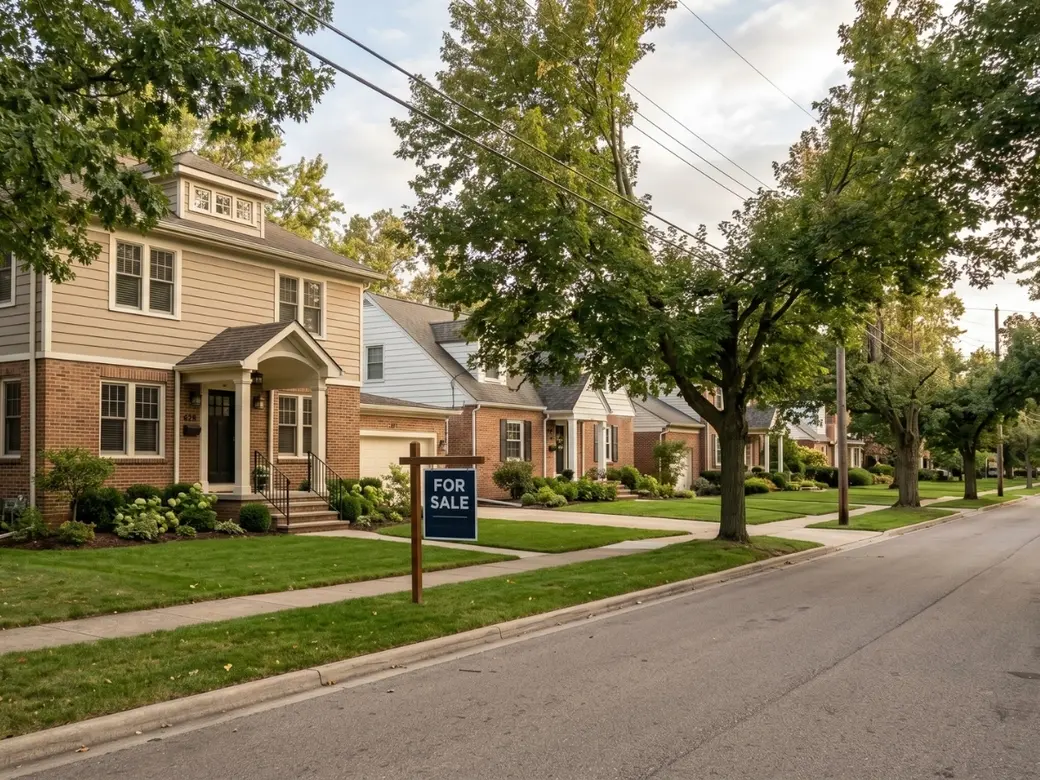
When a Buyer Backs Out: What Sellers in Metro Detroit Can Learn From It
Accepting an offer feels like the hard part is over. Then the buyer backs out, and you are right back where you started, frustrated, second-guessing everything, and wondering what went wrong.
It happens more than most sellers expect. And while it is never a good day, it almost always teaches something useful for the next time.
Here is what I have seen, and what sellers can do differently.
Buyer Remorse Does Not Always Look Like Buyer Remorse
Most buyers do not call their agent and say they changed their mind. What they do instead is find a reason to exit through the contract.
The most common exit point is the inspection contingency.
A buyer has second thoughts after signing. They were excited, then they slept on it, and now the commitment feels too large. The inspection comes back with normal findings for a house of that age: a water heater showing wear, a few grading notes, a gutter issue. Nothing that would give an experienced buyer pause. But the buyer requests repairs or credits that are out of proportion to the findings, the seller offers a reasonable response, and the buyer walks.
The inspection became the mechanism. The remorse was the cause.
This is not the seller's fault. It is also not necessarily a dramatic failure on the buyer's part. People genuinely get overwhelmed. But sellers who understand this pattern can start to read the signals earlier and make better decisions when an offer comes in.
What the Inspection Contingency Actually Allows
In Michigan, the inspection contingency gives buyers a defined opportunity to evaluate the property and respond based on the terms of the purchase agreement. The exact language matters.
Some contracts give buyers fairly wide latitude. Others are more specific about what qualifies as a valid objection. Some include dollar thresholds. Some are written broadly enough that almost any finding could serve as an exit.
When you are reviewing an offer, the inspection contingency language is part of what you are evaluating, not just the price. It is worth asking your agent how it is written, what it allows, and whether there is room to negotiate those terms before you sign.
This is educational context, not legal advice. For questions about what a specific contract means for your situation, a real estate attorney is the right resource.
The First Accepted Offer Is Not Automatically Secure
There is a mindset shift that helps sellers stay grounded through the process: accepting an offer starts the transaction. It does not finish it.
Until the inspection contingency is released, the financing contingency is cleared, and you are in the final stretch before closing, the transaction is still in motion. That is just the reality of residential real estate.
This is exactly why backup offers matter.
When you accept an offer and immediately go fully off the market, you give up all your leverage if the buyer exits. When you keep a backup offer in place, or at minimum stay in active communication with other interested buyers, you protect yourself against starting over from scratch.
Not every situation will produce a backup offer. But when buyer interest is strong enough to make it possible, the conversation is worth having with your agent before you go dark.
Buyer Strength Is Part of the Offer, Not Just the Price
Sellers are naturally drawn to price. Price matters, but it is one piece of a more complete picture.
A buyer who is pre-approved by a strong local lender, has a meaningful down payment, is not contingent on selling another home first, and has navigated a transaction before is a fundamentally different buyer than someone who is stretching to qualify, has a thin pre-approval letter, and is emotionally uncertain about the commitment.
Both buyers might write the same offer price. Only one of them is likely to reach the closing table.
When you are reviewing offers with your agent, ask about the buyer behind the numbers. What does the pre-approval actually look like? Is the earnest money substantial enough to reflect real intent? Are there other contingencies stacked that add risk? These details are not always easy to know in advance, but they are worth discussing before you accept.
Showing Momentum Protects You After the Fact
Here is something sellers sometimes underestimate: how your listing looks to the market during the transaction affects your position if the deal falls apart.
When a buyer exits and your home returns to active status, buyers and their agents notice. They look at days on market. They see the history. They wonder what the inspection turned up.
One of the best ways to reduce that exposure is to protect your showing momentum while you are under contract. That means keeping the listing appropriately visible, continuing to communicate with your agent about buyer interest, and if your contract permits it, accepting a backup offer. It also means not canceling every scheduled showing the same day you accept an offer.
If the transaction falls through and you return to market with recent activity and no price reduction, the story looks very different than if you went quiet for three weeks and then reappeared.
What Agent Communication Tells You During a Transaction
During a transaction, the communication between agents can be a signal worth paying attention to.
An agent who responds promptly, keeps things calm, and addresses issues professionally is usually working with a buyer who is committed. An agent who is slow to respond, escalates minor issues, or goes quiet at critical moments may be managing a buyer who is wavering.
This is not a hard rule, and it would not be fair to judge every deal by agent behavior alone. But it is a real pattern that experienced agents notice. If your agent has been through enough transactions to recognize it, they can often give you an early read on how stable the deal actually is, giving you time to think through your options before something formally falls apart.
What to Do Right After a Buyer Backs Out
First, do not treat the home as damaged goods. One buyer exiting through a contingency does not define the property.
Second, get a clear account of what happened. Your agent should be able to explain what the buyer cited as the reason and whether that reflects anything real about the home.
Third, think carefully about inspection findings. If the buyer identified legitimate items during their inspection, you now have awareness of those items and that can have disclosure implications. Talk to your agent about what that means before you re-list.
Fourth, decide on pricing with fresh eyes. Base that decision on current market activity, the feedback you received, and how long the home was under contract.
Fifth, go back to market with calm confidence. When buyers ask about the previous transaction, a clear and honest answer is almost always better than vague deflection. Transparency builds trust.
What I Have Seen Across Metro Detroit
I have seen this happen in different ways across Metro Detroit. Sometimes a backup offer saves the transaction. Sometimes a buyer panics after a routine inspection. Sometimes a seller has to go back on the market and explain the situation clearly.
The details vary, but the lesson is consistent. Sellers who understand the process, stay level-headed, and work with an agent who communicates clearly tend to get through it better than those who are caught off guard.
Understanding the Full Listing Process Before You Get to This Point
For sellers who want to better understand the full listing process, my guide to what to expect when selling your home with Jeff Duneske explains how pricing, marketing, communication, and negotiation work together before and after an offer is accepted.
The Bigger Takeaway
A buyer backing out is not a verdict on your home. It is a moment in a process that sometimes has false starts.
If you are preparing to sell in Novi, South Lyon, Northville, Brighton, or the surrounding Metro Detroit area, the goal is not just to get an offer. The goal is to understand the strength of that offer, protect your momentum, and move toward closing with as much clarity as possible.
If you are in this situation right now, or you want to think through how to reduce the risk of it happening, start with a conversation about your specific home, your timeline, and your situation.
FAQs About Buyers Backing Out
Can a buyer back out of a home purchase in Michigan?
Yes. Michigan purchase agreements typically include contingencies that allow buyers to exit within specific timeframes, most commonly the inspection contingency and the financing contingency. If a buyer withdraws within a valid contingency period, they can generally recover their earnest money. Once contingencies are removed, the situation becomes more complicated and depends on how the contract is written. A real estate attorney is the right resource for specific legal questions.
What happens to earnest money when a buyer backs out?
It depends on when and why they exit. If the buyer withdraws within a valid contingency window, they typically receive their earnest money back. If they back out after contingencies have been released without a contract-supported reason, the seller may have a claim to those funds. This is a legal question your agent and a real estate attorney should help you work through.
Should I accept a backup offer when my home is under contract?
In many situations, yes. A backup offer gives you a clear next step if the primary transaction falls apart. It also keeps a committed buyer engaged rather than moving on to another property. Talk to your agent about how to handle this appropriately without complicating your current deal.
How do I re-list my home after a buyer backs out?
Work with your agent to understand any disclosure obligations related to the previous transaction or inspection findings. Then re-list with a clear strategy, pricing based on current market activity, and a calm and factual explanation ready for buyers who ask about the history.
Does a failed transaction hurt my home's value?
Not inherently. One transaction falling apart through a contingency does not change what your home is worth. What can create perception problems is extended days on market, repeated price reductions, or returning to the market multiple times without explanation. A well-priced re-listing with honest communication generally moves forward without issue.
About Jeff Duneske
Jeff Duneske has been helping Metro Detroit homeowners buy and sell real estate since 2000. With more than 1,300 homes sold and over 450 verified five-star reviews, he brings a practical, experienced perspective to every transaction. Jeff is based in Northville and works with sellers and buyers throughout Novi, South Lyon, Brighton, and the surrounding communities. His approach is straightforward, honest, and focused on helping people make decisions that are right for their situation.
Categories
- All Blogs (190)
- Best Agent For… Blog Series - Northville, Novi, South Lyon & Metro Detroit (41)
- Brighton Real Estate Market Updates (3)
- Buyers (23)
- Community & Local Events (2)
- Divorce Real Estate (11)
- Estate Planning & Strategy (7)
- Golf Course & Luxury Living (6)
- Green Oak Real Estate Market Updates (2)
- Homeowners (Maintenance & Equity) (2)
- Investors (1)
- Market Conditions (12)
- Metro Detroit Real Estate Updates (34)
- Mortgage & Financing (2)
- New Construction (3)
- Northville Real Estate Market Updates (14)
- Novi Real Estate Market Updates (17)
- Pricing & Home Values (7)
- Relocation & Moving (7)
- Rightsizing & Senior Moves (10)
- Seller Success Stories (11)
- Sellers (64)
- South Lyon Real Estate Market Updates (18)
- Tips, Guides & How-To (11)
Recent Posts







GET MORE INFORMATION