

- /
What If One Spouse Wants to Keep the House During Divorce
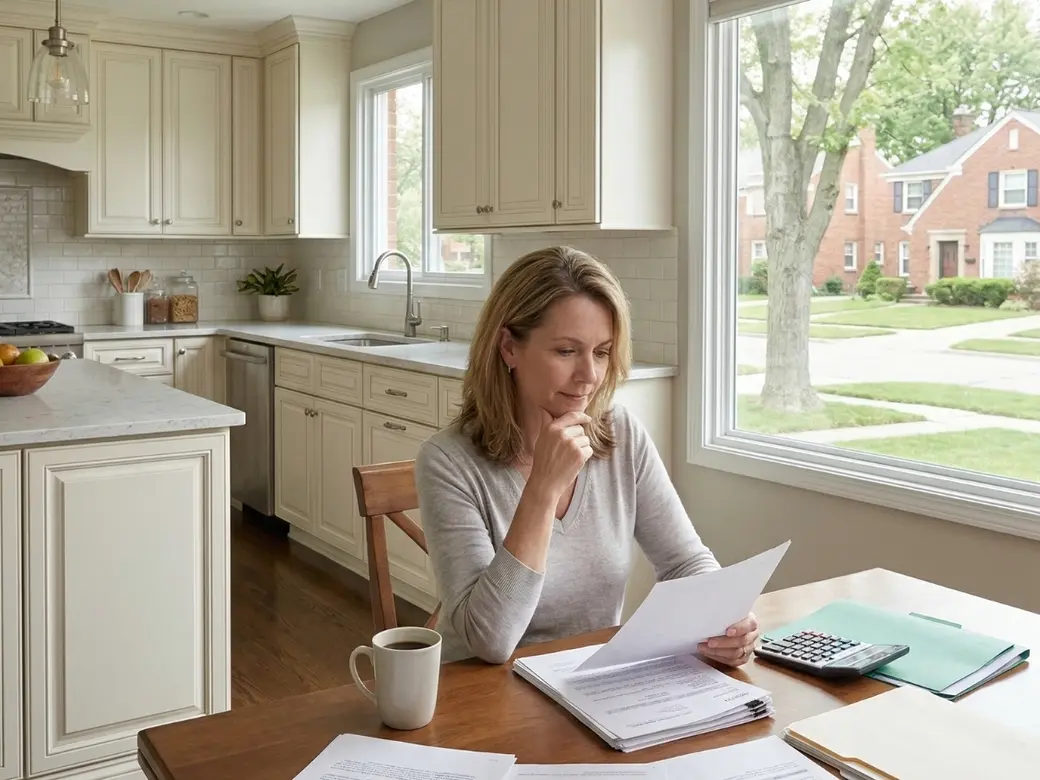
What If One Spouse Wants to Keep the House During Divorce
This is one of the most common situations in divorce-related real estate.
One spouse wants to keep the house. The other may want to sell it, move on, or divide the equity and create a cleaner next step. Sometimes, both people understand each other’s reasons. Sometimes they do not.
Either way, this question can create a lot of tension because the home is rarely just a property. It may represent stability, familiarity, family routines, school boundaries, memories, or a sense of control during a difficult time.
That is why this decision needs to be handled with clarity and practicality. Wanting to keep the house is understandable. The bigger question is whether keeping it is workable.
Why one spouse may want to keep the house
There are many valid reasons someone may want to stay.
They may want to keep children in the same home or school district. They may feel emotionally attached to the property. They may believe staying put will reduce disruption. They may also feel that moving is too much to take on right now.
In Metro Detroit communities like Northville, Novi, Plymouth, South Lyon, Brighton, Birmingham, and nearby areas, the appeal of staying can be especially strong when the home is well located, familiar, and tied to daily routines.
But emotional reasons, while very real, should be balanced with practical ones.
The first question is not who wants the house.
The first question is whether keeping the house makes sense financially and practically.
That usually means looking at:
- current market value
- mortgage balance
- monthly payment
- property taxes
- insurance
- maintenance costs
- repair needs
- possible refinance requirements
- How a buyout would work if one spouse keeps the property
A home can feel worth keeping emotionally while still being too costly or complicated to support comfortably.
Keeping the house often means a buyout.
If one spouse keeps the home, that usually means there needs to be a path to address the other spouse’s ownership interest.
That is where buyout conversations often come in. The appropriate legal and financial professionals should handle the details. Still, from a real estate perspective, the key practical questions are whether the value is clear, whether financing is realistic, and whether the home is sustainable in the long term.
Sometimes those answers support keeping the property. Sometimes they point more clearly toward selling.
Refinancing may resolve the issue.
In many cases, whether one spouse can refinance the mortgage becomes one of the most important questions.
If the spouse who wants to keep the house can qualify on their own and comfortably manage the payment, that may support a workable plan.
If refinancing is not possible, or if the numbers only work on paper and not in real life, keeping the house may create more stress than stability.
This is one reason it often helps to involve a lender earlier rather than later.
What if the spouse who wants to keep the house cannot afford it?
That situation is common.
Sometimes the desire to stay is tied to emotion, fear of change, or concern for the children. Those feelings are understandable. But if the home is not realistically affordable, holding onto it can create ongoing financial strain that makes the next chapter harder, not easier.
In those cases, selling may be the more stable option, even if it is not the preferred one emotionally.
A home should support the next stage of life, not make it harder to manage.
What if the other spouse wants the equity now?
That matters too.
In some situations, the spouse leaving needs access to equity to support their housing transition, financial reset, or basic stability. Even when one person wants to stay, the broader picture may make a sale more practical.
This is why the decision cannot be based on one person’s preference alone. It needs to account for affordability, fairness, timing, and what allows both people to move forward.
Sometimes keeping the house is only a temporary idea
Not every decision has to be final forever.
In some divorce situations, one spouse wants to stay for a limited period, perhaps to get through a school year, allow for a future sale, or create more breathing room before making the next move.
Whether that approach is workable depends on the agreement structure and financial realities, which should be reviewed with the appropriate professionals. From a housing standpoint, it can sometimes be useful to think in stages rather than forcing an immediate permanent answer.
Local market realities still matter.
In Metro Detroit, what makes sense for one home may not make sense for another.
A property in Birmingham with strong market appeal may create one set of options. A home in Brighton that needs updates may create another. In Northville, Novi, Plymouth, or South Lyon, equity position, monthly affordability, and property condition can each shape whether keeping the house is worth pursuing.
That is one reason local, property-specific guidance matters. Broad advice often misses the details that actually drive the decision.
A practical conversation can reduce pressure.
When one spouse wants to keep the house, people often feel like they need to solve everything at once.
Usually, the better starting point is to get clear on the facts. What is the likely market value? What would selling look like? What would a buyout require? What are the likely monthly ownership costs going forward? What preparation or repairs may be needed?
Once those answers are clearer, the path often becomes easier to see.
The goal is not to force a result.
Sometimes, one spouse keeping the house is the right answer. Sometimes, selling is the better path. Sometimes the best next step is simply gathering better information before deciding.
The goal is not to push the home sale or push the buyout. It is to help people understand their options clearly enough to make a sound decision.
FAQs
What if one spouse wants to keep the house and the other wants to sell?
That is very common. The most helpful next step is usually to get clear on the home’s likely value, monthly costs, possible buyout structure, and whether keeping the property is actually affordable.
Can one spouse keep the house after divorce?
Sometimes yes. That usually depends on equity, financing, affordability, and whether the overall arrangement is workable for both people.
Does keeping the house always require a buyout?
In many cases, there needs to be some way to address the other spouse’s ownership interest. The structure depends on the broader agreement and should be reviewed by the appropriate professionals.
Should we sell even if one spouse wants to stay?
Sometimes, selling is still the better option, especially when affordability, refinancing, repair needs, or access to equity create too much strain.
How do we know whether keeping the house makes sense?
A clear review of market value, ownership costs, financing options, and the property’s condition usually helps bring the answer into focus.
About Jeff Duneske
Jeff Duneske is a Metro Detroit real estate broker with more than 25 years of experience helping homeowners make steady, practical housing decisions during major life transitions. He works with clients in Northville, Novi, South Lyon, Plymouth, Brighton, Birmingham, and nearby communities who need calm guidance when deciding whether to keep or sell the home during divorce.
Categories
- All Blogs (192)
- Best Agent For… Blog Series - Northville, Novi, South Lyon & Metro Detroit (41)
- Brighton Real Estate Market Updates (3)
- Buyers (23)
- Community & Local Events (2)
- Divorce Real Estate (11)
- Estate Planning & Strategy (7)
- Golf Course & Luxury Living (6)
- Green Oak Real Estate Market Updates (2)
- Homeowners (Maintenance & Equity) (2)
- Investors (1)
- Market Conditions (12)
- Metro Detroit Real Estate Updates (35)
- Mortgage & Financing (2)
- New Construction (3)
- Northville Real Estate Market Updates (14)
- Novi Real Estate Market Updates (17)
- Pricing & Home Values (7)
- Relocation & Moving (7)
- Rightsizing & Senior Moves (10)
- Seller Success Stories (12)
- Sellers (64)
- South Lyon Real Estate Market Updates (18)
- Tips, Guides & How-To (11)
Recent Posts



GET MORE INFORMATION